

The Ultimate Baby Care Guide: Expert Tips for New Parents
Introduction
Becoming a parent is exciting but also overwhelming. From sleepless nights to feeding schedules, there’s a lot to navigate. That’s why I’m here to simplify things for you. As a professional, I’ve analyzed all the top information on baby care and found a fresh angle that makes this post the most practical and comprehensive one for you.
This guide combines medical insights, real-world parenting hacks, and expert recommendations—all in one place. Whether you’re a first-time parent or looking for better ways to care for your baby, this is your go-to resource.
1.1 Preparing for Baby’s Arrival
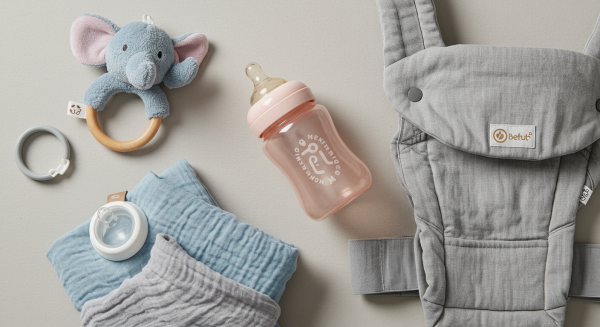
Before your baby arrives, it’s important to have all the essential supplies ready to avoid last-minute stress.
- Diapers and Wipes – You’ll need a good supply of diapers, whether disposable or cloth, and gentle wipes to keep your baby clean and comfortable.
- Feeding Essentials – If breastfeeding, a breast pump and storage bottles help express milk for later. Formula-fed babies will need a starter formula and sterilized bottles.
- Clothing – Newborn skin is delicate, so opt for soft, breathable fabrics like cotton to prevent irritation.
- Sleeping Arrangements – A crib or bassinet with a firm mattress is essential for safe sleep. Avoid pillows, loose blankets, or stuffed toys that may pose suffocation risks.
- Hygiene Products – Baby-friendly soaps, lotions, and towels help maintain hygiene without causing skin irritation.
1.2 First 24 Hours: What to Expect
The first 24 hours with a newborn can feel overwhelming, but understanding what’s normal can help:
- Your baby will likely sleep for long stretches but wake up frequently for feeding. Their stomach is tiny, so they need small but frequent feeds.
- Meconium, a dark, sticky first stool, is normal and should pass within a few days.
- Skin-to-skin contact helps regulate the baby’s temperature, improves bonding, and supports breastfeeding success.
2. Feeding Your Baby
2.1 Breastfeeding vs. Formula Feeding
Breastfeeding is highly recommended for its immune-boosting benefits, but formula feeding is a safe alternative that provides essential nutrients. It’s a personal choice based on comfort, lifestyle, and medical considerations.
2.2 Feeding Schedule and Tips
- Newborns should be fed every 2-3 hours. Their small stomachs require frequent nourishment.
- Proper latch in breastfeeding ensures the baby gets enough milk and prevents sore nipples.
- Burping is essential after every feed to prevent gas buildup and discomfort.
3. Sleep and Soothing Techniques
3.1 Baby Sleep Patterns
Newborns sleep around 14-17 hours a day, but their sleep cycles are short. Their body clocks are not yet developed, so they wake up frequently. A consistent bedtime routine can help establish better sleep habits.
3.2 How to Soothe a Fussy Baby
- Swaddling: Wrapping your baby snugly mimics the womb and helps them feel secure.
- White Noise: Gentle sounds, like a fan or a sound machine, can soothe babies by mimicking the noises they heard in the womb.
- Gentle Rocking: A slow, rhythmic movement helps calm an overstimulated baby.

4. Baby Hygiene and Skin Care
4.1 Bathing Your Newborn
- Until the umbilical cord stump falls off (around 1-2 weeks), sponge baths are recommended.
- Use lukewarm water and mild, fragrance-free baby soap to avoid skin irritation.
- Dry the baby gently and apply a mild moisturizer if needed.
4.2 Preventing Diaper Rash
- Change diapers every 2-3 hours to keep the skin dry.
- Allow the skin to air dry before putting on a new diaper.
- Use a barrier cream containing zinc oxide to prevent rashes.
5. Baby Health and Safety
5.1 Recognizing Common Health Issues
- Colic: If your baby cries excessively for no clear reason, they may have colic. Holding them upright and burping frequently can help.
- Jaundice: A yellowish tint in the skin and eyes is common in newborns but should fade within a week. If it persists, see a doctor.
- Diaper Rash: Commonly caused by wetness and irritation. Keeping the area dry and using rash cream helps.
5.2 When to Call the Doctor
- If your baby has a fever above 100.4°F (38°C).
- If they refuse to eat for multiple feedings.
- If they show signs of difficulty breathing or persistent coughing.
6. Milestones and Development
6.1 What to Expect in the First Year
Tracking developmental milestones can help you understand if your baby is growing as expected:
- 1-3 months: Smiling, eye contact, and grasping objects.
- 4-6 months: Rolling over and showing interest in solid foods.
- 7-9 months: Sitting up unassisted, crawling, and babbling.
- 10-12 months: Standing with support and saying simple words like “mama” or “dada.”
6.2 Encouraging Development
- Tummy Time: Strengthens neck, shoulder, and arm muscles, which are important for crawling.
- Talking & Singing: Encourages language skills and emotional bonding.
- Interactive Play: Toys that engage the senses help cognitive and motor development.
Conclusion: Enjoy the Journey
Parenting is a mix of joy and challenges. Trust your instincts, learn as you go, and don’t hesitate to ask for help. With this guide, you have everything you need to give your baby the best care possible!