
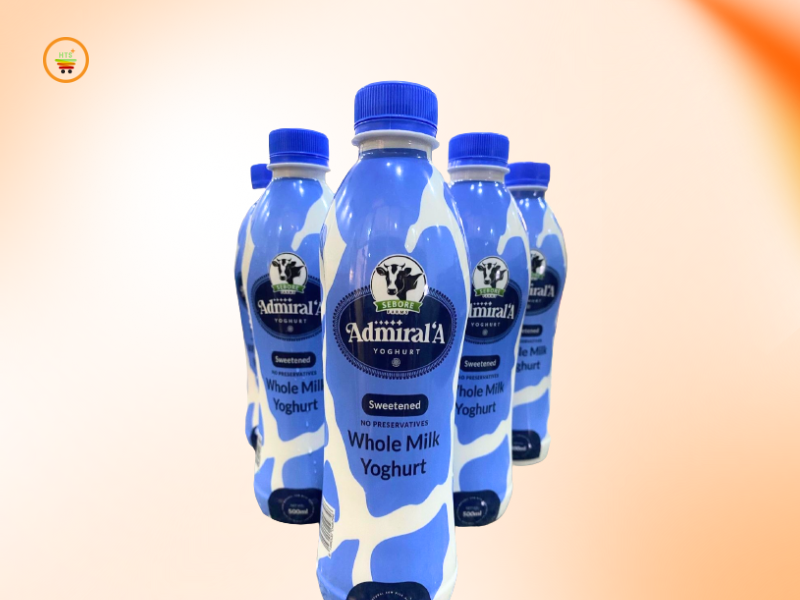
Admiral’A Yoghurt Comparative Guide For Consumers
This comprehensive comparison aims to provide a detailed look at Admiral’A Yoghurt, weighing its unique attributes against common yoghurt categories that consumers frequently encounter and deliberate over.
We’ll delve into its features, explore its flavor profiles, dissect its nutritional value, and ultimately help you decide if Admiral’A is the perfect fit for your lifestyle and preferences. Let’s get into it!
Head-to-Head: Admiral’A Yoghurt vs. Other Yoghurts
To truly appreciate Admiral’A Yoghurt, it’s beneficial to compare it across different common yoghurt categories that often prompt consumer questions and choices.
1. Admiral’A (Regular Whole Milk Yoghurt) vs. Greek Yoghurt
One of the most frequent comparisons in the yoghurt world is between traditional or “regular” yoghurt and Greek yoghurt. While Admiral’A primarily falls into the regular whole milk category, understanding the distinctions helps in making an informed choice.
Texture and Consistency:
- Admiral’A (Regular Whole Milk): Typically boasts a smooth, creamy texture that is less dense than Greek yoghurt. It’s spoonable, pourable (especially in its unsweetened liquid form), and offers a satisfying mouthfeel without being too thick. This makes it excellent for drinking, blending into smoothies, or as a lighter snack.
- Greek Yoghurt: Is renowned for its significantly thicker, denser, and often richer consistency. This is achieved through a straining process that removes more whey, resulting in a product that feels more substantial and less watery.
General Nutritional Profile:
- Protein Content: Greek yoghurt is famous for its higher protein content due to the straining process. This makes it a favorite for athletes, those seeking increased satiety, or individuals on high-protein diets. While Admiral’A Whole Milk Yoghurt certainly contains protein, Greek yoghurt typically offers more grams per serving.
- Fat Content: Both regular whole milk yoghurt (like Admiral’A) and Greek yoghurt can be found in whole milk, low-fat, or fat-free versions. Admiral’A’s commitment to “Whole Milk” means it will naturally have a higher fat content, which contributes to its rich flavor and creaminess, and helps in the absorption of fat-soluble vitamins.
- Carbohydrates and Sugar: Unsweetened versions of both types will be low in added sugars, while sweetened versions will vary widely. Due to the removal of whey, Greek yoghurt might sometimes have slightly fewer carbohydrates (including lactose) per serving than regular yoghurt, though this can vary.
- Sodium: Both generally contain modest amounts of sodium.
Flavor Profile:
- Admiral’A (Regular Whole Milk): Offers a balanced flavor, which can range from mildly tangy (unsweetened) to delightfully sweet and fruity (flavored variants). Its natural creaminess enhances the overall taste experience.
- Greek Yoghurt: Often has a more pronounced tangy or sour flavor due to its higher acidity and concentrated nature. Some find this invigorating, while others prefer a milder tang.
Best Use Cases:
- Admiral’A (Regular Whole Milk): Ideal for daily snacking, pouring over granola, mixing into smoothies, marinating meats (especially the unsweetened version), making dressings, or enjoying as a refreshing drink. Its fluidity makes it highly versatile.
- Greek Yoghurt: Excellent as a protein-packed snack on its own, a base for dips (like tzatziki), a thickener for sauces, a sour cream substitute, or for baking where a denser texture is desired.
Who Might Prefer Which?
- Choose Admiral’A if you prefer a classic, creamy, and versatile yoghurt for everyday use, value local production, or enjoy a slightly lighter texture for drinking or blending.
- Opt for Greek Yoghurt if you prioritize very high protein content, a super thick texture, or a more pronounced tang.
2. Admiral’A Sweetened vs. Admiral’A Unsweetened Yoghurt
This internal comparison within Admiral’A’s own product line highlights a crucial consumer choice: managing sugar intake.
Sugar Content:
- Admiral’A Sweetened: Contains added sugars (and natural flavors for varieties like date, strawberry, vanilla) to enhance taste, making it a ready-to-eat dessert or treat. Consumers should check the nutritional label for exact sugar grams per serving.
- Admiral’A Unsweetened: Contains no added sugars. Its sweetness comes only from the natural lactose in the milk. This provides a blank canvas for adding your own sweeteners (honey, fruit, maple syrup) or using it in savory applications.
Calorie Count:
Sweetened versions will inherently have a higher calorie count due to the added sugars. Unsweetened options typically offer fewer calories.
Versatility:
- Sweetened: Best enjoyed on its own as a snack, dessert, or a quick breakfast.
- Unsweetened: Highly versatile for cooking and baking. It can be used in savory marinades, dips, salad dressings, or as a healthier base for fruit and granola bowls where you control the added sweetness. This versatility makes it a favorite for health-conscious individuals and culinary enthusiasts.
Health Implications:
For those managing blood sugar levels, weight, or simply trying to reduce overall sugar intake, the Unsweetened Admiral’A Yoghurt is the clear winner. Excessive consumption of added sugars is linked to various health issues. The Sweetened Admiral’A Yoghurt can be enjoyed in moderation as part of a balanced diet, especially for those who prefer the convenience of a pre-flavored option.
3. Admiral’A (Whole Milk Yoghurt) vs. Low-Fat/Skim Yoghurt
Admiral’A prominently features “Whole Milk” in its name, which speaks to its fat content and the resulting sensory experience and nutritional profile.
Fat Content:
- Admiral’A (Whole Milk): Contains the natural fat present in milk. This fat contributes significantly to its rich, creamy taste and smooth texture. Dairy fat also helps in the absorption of fat-soluble vitamins (A, D, E, K) that may be present.
- Low-Fat/Skim Yoghurt: Has had some or all of its fat removed. This results in a lower calorie count from fat.
Taste and Texture:
- Admiral’A (Whole Milk): Offers a full-bodied flavor and a luxurious, creamy texture that many find more satisfying. The fat molecules contribute to the yoghurt’s smoothness and mouthfeel.
- Low-Fat/Skim Yoghurt: Can sometimes feel thinner or less rich. To compensate for the loss of flavor and texture from fat removal, some manufacturers add thickeners, more sugar, or artificial sweeteners, which can alter the natural yoghurt taste.
Satiety:
The fat content in whole milk yoghurt can contribute to greater satiety, making you feel fuller for longer. This can potentially aid in weight management by reducing overall calorie intake throughout the day, despite the higher initial calorie count.
Nutritional Considerations:
While low-fat options might seem healthier on the surface, it’s crucial to examine the entire nutritional label. If fat is replaced with excessive sugar, the “health benefit” can be negated or even reversed. Admiral’A’s whole milk offering provides a natural source of dairy fat without necessarily adding excessive sugars (especially in its unsweetened variant).
4. Admiral’A (Locally Produced) vs. Mass-Market/Imported Yoghurt Brands
This comparison highlights the broader implications of consumer choice beyond just the product itself.
Freshness and Shelf Life:
- Admiral’A (Locally Produced): Being manufactured in Nigeria often means a shorter supply chain from farm to fridge. This can translate to fresher product, potentially less need for extensive preservatives, and a more vibrant taste.
- Mass-Market/Imported Brands: May travel longer distances, potentially involving more processing or preservatives to ensure a longer shelf life, which can sometimes impact freshness or taste.
Support for Local Economy:
Choosing Admiral’A directly supports local farmers, manufacturing jobs, and the Nigerian economy. This is a significant factor for consumers who prioritize community and national development. Imported brands benefit foreign economies and may have less direct impact on local livelihoods.
Taste and Cultural Relevance:
Local brands like Admiral’A can sometimes tailor their flavors (e.g., Date flavor) and textures to local preferences, offering a more culturally resonant product. Mass-market brands often aim for a universal taste profile, which might be appealing to a broader audience but potentially less distinctive.
Environmental Impact:
Local production generally implies a lower carbon footprint due to reduced transportation distances.
Conclusion: Making Your Choice with Admiral’A
While Admiral’A Yoghurt may not offer the extreme thickness or super-high protein of a Greek yoghurt, Admiral’A excels in delivering a classic, creamy, and versatile regular yoghurt experience. For those prioritizing freshness, local support, and the ability to control added sugars (via the unsweetened option), Admiral’A stands out as an excellent, wholesome choice.
Ultimately, the “best” yoghurt depends on your individual preferences, dietary needs, and how you intend to use it. However, by understanding Admiral’A’s unique strengths and how it compares to other yoghurt categories, you’re now better equipped to make an informed decision and enjoy a product that truly aligns with your healthy lifestyle. Give Admiral’A Yoghurt a try and experience the taste of local quality.