
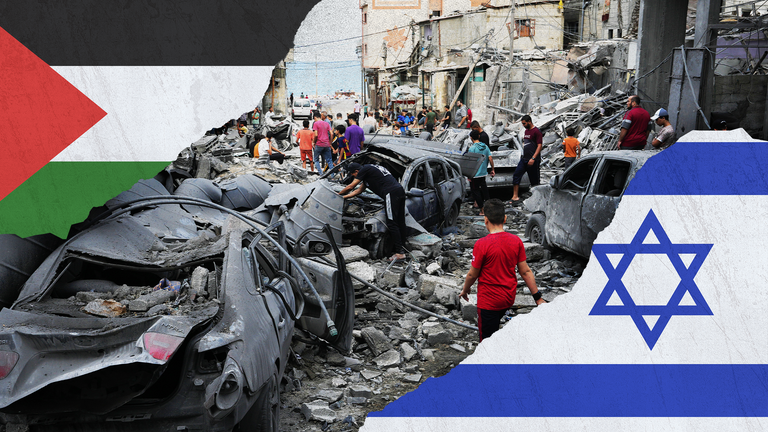
The Impact of the Israel Hamas War on Global E-commerce
In the interconnected world of today, global events can have far-reaching consequences on various aspects of our lives, including the world of e-commerce. The Israel Hamas conflict, a longstanding and complex geopolitical issue, has recently resurfaced, and its impact extends beyond the borders of the Middle East. In this blog post, we will delve into the ways in which the Israel Hamas war affects global e-commerce and discuss what consumers must do during these challenging times.
Chapter 1: Understanding the Israel-Hamas Conflict
Before exploring the impact on e-commerce, it’s essential to have a basic understanding of the Israel-Hamas conflict. This conflict, rooted in historical, political, and territorial issues, has resulted in recurring periods of violence and tension between the State of Israel and Hamas, a Palestinian militant group. The recent flare-up of violence in October 2023 has drawn global attention and sparked protests worldwide.
Chapter 2: Disruption of Supply Chains
One of the immediate consequences of geopolitical conflicts like the Israel Hamas war is the disruption of supply chains. E-commerce heavily relies on a well-functioning supply chain to deliver products to consumers efficiently. When conflicts disrupt this flow, several issues can arise:
2.1 Delayed Shipments and Longer Delivery Times
As supply chains are disrupted, the availability of products may decrease, leading to delayed shipments and longer delivery times for online orders. Consumers should be prepared for potential delays and plan their purchases accordingly.
2.2 Limited Product Availability
Certain products may become scarce or entirely unavailable due to supply chain disruptions. Consumers may need to adapt to the changing availability of products and consider alternatives when making purchasing decisions.
2.3 Increased Prices
Supply chain disruptions can also lead to price increases for certain goods. As demand outpaces supply, sellers may raise prices, affecting consumers’ purchasing power.
Chapter 3: Cybersecurity Concerns
During times of conflict or instability, cyberattacks become more prevalent. E-commerce platforms, financial institutions, and individual consumers are at an increased risk of cyber threats, including:
3.1 Phishing Attacks
Cybercriminals may take advantage of the turmoil to launch phishing attacks, attempting to steal sensitive information such as login credentials, credit card details, and personal data. Consumers should remain vigilant and practice safe online behavior.
3.2 Ransomware Attacks
Businesses, including e-commerce platforms, are targets for ransomware attacks. Such attacks can disrupt operations, leading to potential data breaches and impacting consumers’ personal information. It’s crucial for e-commerce platforms to invest in robust cybersecurity measures to protect customer data.
3.3 Payment Fraud
During times of instability, payment fraud may increase. Consumers should monitor their bank and credit card statements regularly, report any suspicious activity, and consider using secure payment methods.
Chapter 4: Geopolitical Impact on E-commerce Companies
The Israel-Hamas conflict can affect e-commerce companies in various ways:
4.1 Delivery to Affected Regions
E-commerce companies may temporarily suspend or limit deliveries to regions affected by conflict for safety reasons. Consumers in these areas may experience disruptions in their online shopping experience.
4.2 Impact on E-commerce Stocks
Geopolitical instability can affect financial markets, including e-commerce stocks. Investors may react to uncertainties by selling or buying e-commerce shares, leading to fluctuations in stock prices.
4.3 Ethical Considerations
Consumers may also consider the ethical implications of supporting businesses with ties to regions involved in conflict. Some consumers may choose to support companies that align with their values and principles.
What Consumers Must Do in a Time Like This
In times of global conflict and uncertainty, consumers can take specific actions to navigate the challenges of e-commerce:
5.1 Plan Ahead
Expect delays and disruptions in the supply chain. Plan your purchases well in advance, especially for essential items, to ensure you have what you need.
5.2 Stay Informed
Stay informed about the situation in affected regions. Be aware of potential shipping restrictions and disruptions to delivery services.
5.3 Practice Cybersecurity Vigilance
Remain vigilant against cyber threats. Use strong, unique passwords, enable multi-factor authentication, and be cautious of unsolicited emails and messages.
5.4 Support Ethical Brands
Consider supporting brands that align with your values and ethical considerations. Research companies’ practices and policies to make informed purchasing decisions.
5.5 Monitor Your Finances
Regularly monitor your bank and credit card statements for any unauthorized transactions or unusual activity. Report any suspicious activity promptly to your financial institution.
In Conclusion
The Israel-Hamas conflict, like any geopolitical crisis, can have a profound impact on the world of e-commerce and consumer behavior. Supply chain disruptions, cybersecurity threats, and ethical considerations all come into play during these challenging times. As consumers, it’s essential to stay informed, plan ahead, and prioritize cybersecurity to protect our personal information.
While the conflict in the Middle East continues, the world of e-commerce adapts to changing circumstances. By remaining vigilant and adaptable, consumers can continue to enjoy the benefits of online shopping while being mindful of the broader geopolitical landscape.
As you navigate these uncertain times, consider exploring online grocery shopping with a reliable platform like HTSPlus.ng. With a commitment to quality and convenience, HTSPlus.ng provides a secure and efficient way to meet your grocery needs in a rapidly changing world.
More in this Category:
- Holiday Shopping for Groceries and Household Essentials in Abuja
- Why HTS Plus is the Best Choice for Online Groceries Shopping
- Best Tips, Deals, and Savings for November Black Friday
- The Rise of Social Commerce in Nigeria: How Social Media is Revolutionizing Online Shopping
- Sweet Red Wine Health Benefits For Nigerians