

Pregnancy Test Strips: Understanding, Using, and Choosing the Right One
Pregnancy test strips, often referred to as HCG strips or pregnancy test kits, are a vital tool for millions of women worldwide. These simple yet sophisticated devices enable individuals to confirm pregnancy conveniently and privately in the comfort of their homes. In this comprehensive guide, we delve deep into the world of pregnancy test strips, exploring their mechanism, effectiveness, varieties, and considerations for choosing the right one. Whether you’re seeking clarity on how these strips work, interested in their accuracy, or looking to understand the different options available, this guide aims to provide you with all the information you need.
Understanding Pregnancy Test Strips
Pregnancy test strips are designed to detect the presence of human chorionic gonadotropin (HCG) in urine samples. HCG is a hormone produced by the developing placenta shortly after fertilization occurs. The presence of HCG in urine is a reliable indicator of pregnancy, and test strips leverage this biomarker to provide results.
Mechanism of Action: How do pregnancy test strips work?
Pregnancy test strips operate on the principle of detecting human chorionic gonadotropin (HCG), a hormone produced by the developing placenta after fertilization. The strips are designed with specific antibodies that react with HCG molecules present in urine samples.
- Antibody Reaction: The test strip typically contains antibodies that are specifically designed to bind with HCG. These antibodies are immobilized in a specific area of the strip.
- Sample Application: When a urine sample is applied to the test area of the strip, it flows along the strip. If HCG is present in the urine, it will bind to the antibodies.
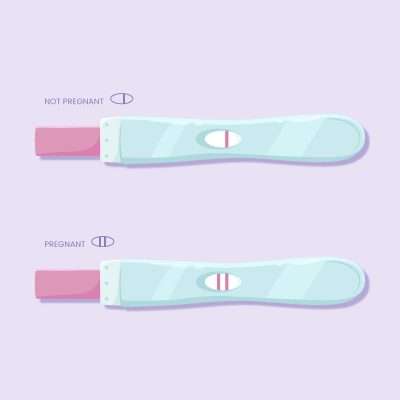
- Indicator Reaction: The binding of HCG to the antibodies triggers a biochemical reaction that produces a visible signal on the test strip. This signal could be the appearance of a colored line, indicating a positive result, or a lack of color change if the result is negative.
- Control Line: Most test strips include a control line that indicates whether the test has been performed correctly and whether the reagents on the strip are functioning properly. This line should appear regardless of whether HCG is present in the sample, ensuring the reliability of the test.
Sensitivity Levels:
Pregnancy test strips vary in their sensitivity to HCG levels. Sensitivity is typically measured in mIU/ml (milli-international units per milliliter), indicating the minimum concentration of HCG that the test can detect.
- Early Detection: Some highly sensitive test strips can detect very low levels of HCG, often as early as 7-10 days after conception. This early detection capability is useful for women who want to confirm pregnancy soon after conception.
- Standard Sensitivity: Standard test strips can detect HCG levels at slightly higher concentrations, usually after the first missed period. They are still highly reliable but might not provide results as early as the more sensitive varieties.
Accuracy:
The accuracy of pregnancy test strips depends on several factors:
-
- Proper Usage: Following the manufacturer’s instructions correctly is crucial for obtaining accurate results. This includes using the test at the right time (typically after a missed period), ensuring the urine sample is applied correctly, and reading the results within the specified timeframe.
- Timing of Testing: Testing too early can result in a false negative if HCG levels are not yet detectable. Waiting until after a missed period increases the likelihood of an accurate result.
- Quality of the Product: Choosing a reputable brand known for producing reliable pregnancy tests can enhance accuracy. Higher-quality products are less likely to produce false positives or false negatives due to manufacturing defects.
Types of Pregnancy Test Strips
Pregnancy test strips come in various types and formats to cater to different preferences and needs. Understanding the differences between these types can help individuals make informed decisions when selecting a test strip.
- Traditional Test Strips: These are the basic, standard test strips that provide results via a color change or a line appearing in the test window.
- Digital Test Strips: Digital pregnancy test strips display results in words (e.g., “Pregnant” or “Not Pregnant”) rather than lines or colors, offering clear and easy-to-read outcomes.
- Early Detection Strips: These strips are designed to detect lower levels of HCG, allowing for earlier confirmation of pregnancy before a missed period.
- Multi-pack Strips: Packs containing multiple test strips are available, providing convenience for individuals who may want to retest or test over multiple days to confirm results.

Advantages of Using Pregnancy Test Strips
Why are pregnancy test strips a popular choice among individuals seeking to confirm pregnancy? This chapter explores the numerous advantages that these strips offer over other methods of pregnancy testing.
- Convenience: Pregnancy test strips are readily available over-the-counter at pharmacies, grocery stores, and online retailers, making them easily accessible for anyone in need of testing.
- Privacy: Home pregnancy testing using strips allows individuals to test discreetly and privately without needing to visit a healthcare provider or clinic.
- Affordability: Compared to other forms of pregnancy testing (such as blood tests or ultrasound), test strips are generally more affordable, making them accessible to individuals across various socioeconomic backgrounds.
- Quick Results: Most pregnancy test strips provide results within minutes, offering immediate peace of mind or guidance for further steps.
Factors to Consider When Choosing a Pregnancy Test Strip
Not all pregnancy test strips are created equal. When selecting a test strip, several factors should be considered to ensure accuracy and reliability.
- Sensitivity: Consider the sensitivity level of the test strip and whether it aligns with your testing needs (e.g., early detection).
- Ease of Use: Look for test strips that offer clear instructions and are easy to interpret, minimizing the chance of misreading results.
- Brand Reputation: Research the brand’s reputation for producing reliable and accurate pregnancy test strips. Trusted brands often prioritize quality control and user satisfaction.
- Cost: Compare the cost of different test strips, considering any additional features or benefits they may offer.
- Reviews and Recommendations: Reading reviews and seeking recommendations from healthcare professionals or trusted sources can provide insights into the effectiveness of specific test strips.
Shop for pregnancy test strips>>>
Using Pregnancy Test Strips Effectively
To ensure accurate results, it’s essential to use pregnancy test strips correctly and at the right time. This chapter provides a step-by-step guide on how to use pregnancy test strips effectively:
- Read Instructions: Carefully read and follow the instructions provided with the test strip, noting any specific guidelines for timing and interpretation.
- Collect Urine Sample: Use a clean, dry container to collect a urine sample. Some test strips allow urine to be applied directly to the test area.
- Apply Urine: Apply the urine sample to the designated area on the test strip as instructed, being careful not to exceed the recommended fill line.
- Wait for Results: Allow the test strip to develop for the specified amount of time (usually a few minutes) before interpreting the results. Avoid interpreting results outside of the recommended time frame.
- Interpret Results: Check the test strip for any visible changes (lines, colors, or digital display). Refer to the instructions to determine the meaning of the results (positive, negative, or invalid).
- Dispose Properly: Dispose of used test strips according to local regulations and guidelines.
How to Use a Home Pregnancy Test Strip>>>
False Positive and False Negative Results:
False positive and false negative results can occur in pregnancy testing due to various factors:
- False Positive: This happens when a test incorrectly indicates a positive result when the person is not pregnant. Factors that can contribute to false positives include:
- Chemical Interference: Certain medications or medical conditions can interfere with the test’s ability to accurately detect HCG.
- Expired Tests: Using an expired test can lead to inaccurate results.
- Evaporation Lines: Sometimes, an evaporation line may appear on the test strip after the designated reading time, which can be mistaken for a positive result.
- False Negative: This occurs when a test incorrectly indicates a negative result when the person is actually pregnant. Factors contributing to false negatives include:
- Testing Too Early: If the test is taken too soon after conception, before HCG levels are detectable, it may result in a false negative.
- Improper Testing: Not following the instructions correctly, such as using diluted urine or not allowing enough time for the test to develop, can also lead to false negatives.
Strategies to Minimize Incorrect Outcomes: To minimize the risk of false results, it’s important to:
- Use the test after a missed period for more reliable results.
- Ensure the test is not expired and follow the instructions carefully.
- Avoid medications or substances that could interfere with the test.
- Retest if results are ambiguous or if pregnancy symptoms persist.
Interpreting Faint Lines:
Faint lines on pregnancy test strips can be confusing and may indicate various scenarios:
- Early Pregnancy: A faint line may indicate early pregnancy, where HCG levels are low but increasing.
- Evaporation Line: Sometimes, a faint line can be an evaporation line caused by the urine drying on the test strip, especially if read after the recommended time.
- Chemical Pregnancy: In some cases, a faint line followed by a negative test could indicate a chemical pregnancy, where a very early miscarriage occurs shortly after implantation.
When to Retest: It’s advisable to retest if the line is faint to confirm the result. Waiting a few days and using another test can help determine if HCG levels are rising, indicating a viable pregnancy.
Using Multiple Test Strips:
Using multiple test strips can be beneficial for:
- Confirmation: Using different brands or multiple tests from the same brand can help confirm results, especially if the first test is ambiguous.
- Monitoring: If testing early, using multiple tests over a few days can track the progression of HCG levels, which should roughly double every 48-72 hours in early pregnancy.
Digital vs. Traditional Strips:
Choosing between digital and traditional (line-based) test strips depends on personal preference and testing needs:
- Digital: Digital tests provide a clear result (e.g., “Pregnant” or “Not Pregnant”) without interpreting faint lines. They can be easier to read for some users.
- Traditional (Line-Based): These tests show results as lines, which may be faint or clear depending on HCG levels. They are often more cost-effective and can be used multiple times if needed.
Considerations include cost, ease of use, and personal preference when selecting between digital and traditional test strips.
In summary, pregnancy test strips are invaluable tools that empower individuals to take control of their reproductive health with confidence and convenience. By understanding how these strips work, the types available, their advantages, and factors to consider when choosing one, individuals can make informed decisions about their testing needs. Whether used for early detection or confirming a missed period, pregnancy test strips play a crucial role in providing clarity and guidance.
More in this Category:
- A Detailed Guide to Using Mycoten Vaginal Cream, Tribotan Cream, Hydrocortisone Cream, and Biocoten Cream
- Golden Melon: Nature’s Golden Treasure for Your Health
- Sweet Red Wine Health Benefits For Nigerians
- The Health Benefits of Tigernuts Drink: A Nutritional Powerhouse
- Orange Juice: Benefits and Why You Should Make It a Daily Habit