
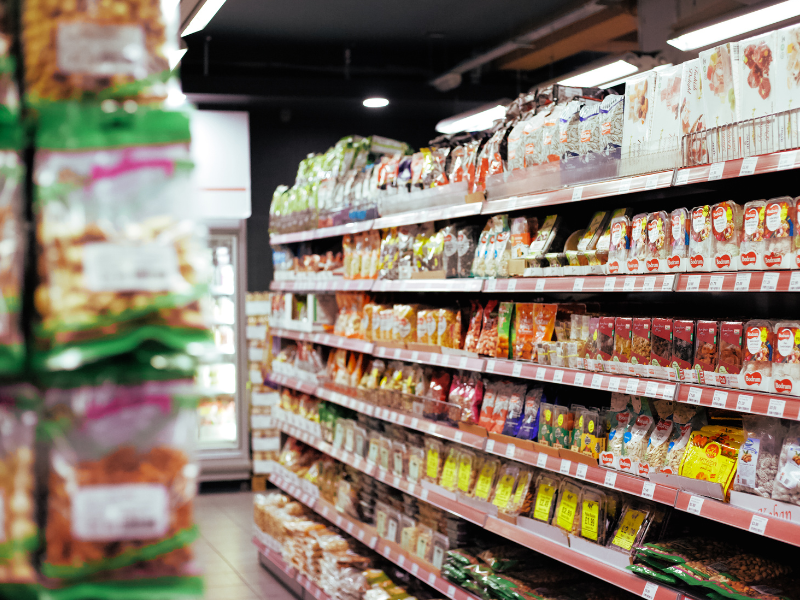
The Ultimate Guide to Baby Cereal: Benefits, Choices & Expert Tips
As a parent, choosing the right baby cereal among many baby food options can feel overwhelming. With so many options on the market, how do you ensure your baby gets the best nutrition? Let’s break it down with expert-backed insights to help you make the best choice for your little one.
Why Baby Cereal is a Great First Food
Baby cereal is often the go-to choice for introducing solids. Here’s why:
- Rich in Iron – Most baby cereals are fortified with iron, essential for brain development.
- Easy to Digest – Made from refined grains, baby cereals are gentle on tiny stomachs.
- Versatile – Can be mixed with breast milk, formula, or water for a smooth texture.
- Nutrient-Dense – Often contains added vitamins and minerals crucial for growth.
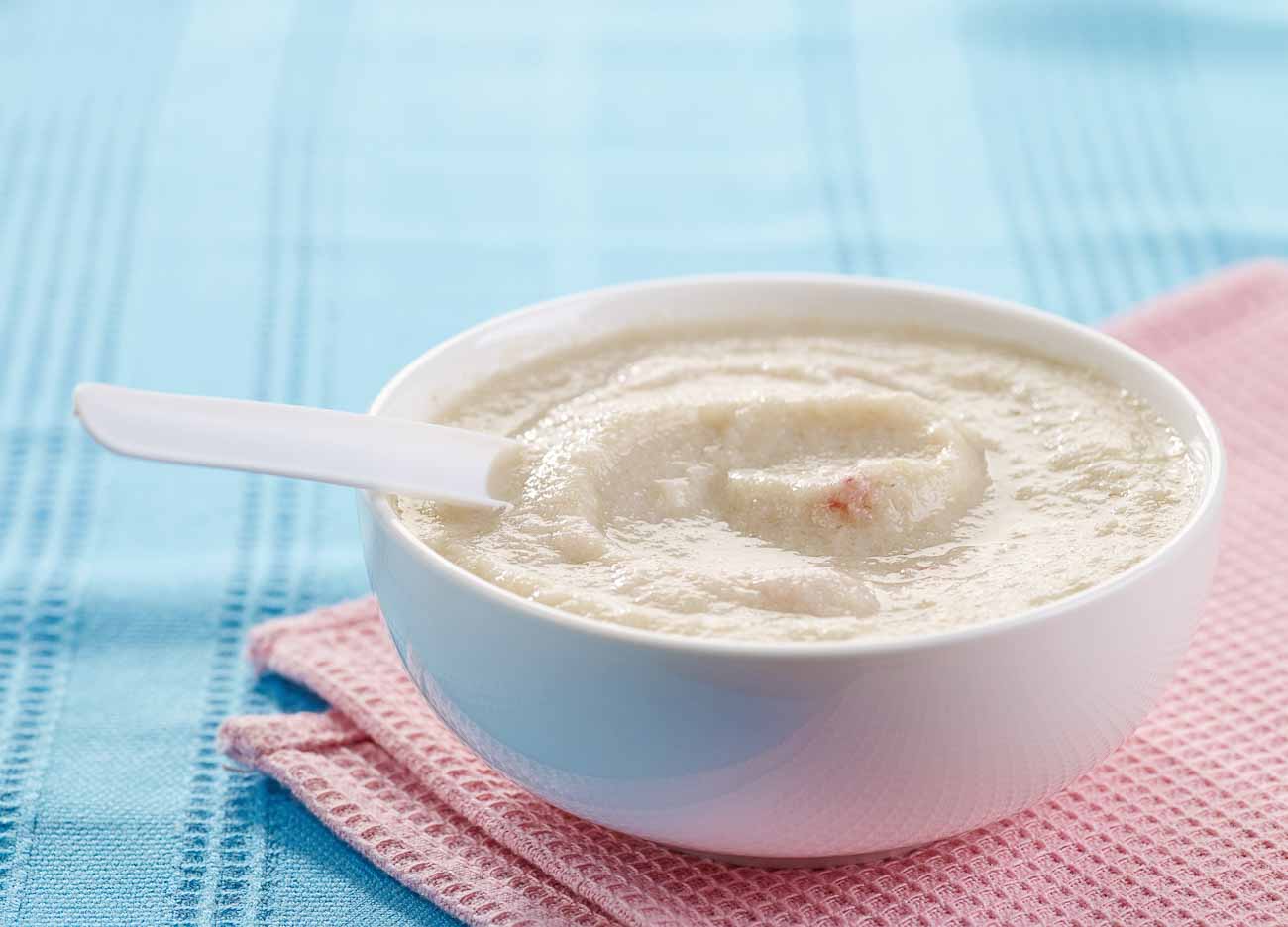
Best Types of Baby Cereal
1. Rice Cereal
Rice cereal is a common first choice due to its mild taste and low allergy risk. However, some parents avoid it due to concerns about arsenic levels. If choosing rice cereal, opt for brands tested for safety.
2. Oatmeal Cereal
Oatmeal is packed with fiber, making it great for digestion. It’s a good alternative to rice cereal and has a lower risk of arsenic contamination.
3. Multigrain Cereal
For a variety of nutrients, multigrain cereals combine different grains like oats, quinoa, and barley. This offers more diverse nutrients but may not be suitable for babies with food sensitivities.
4. Organic Baby Cereal
Organic baby cereal is free from pesticides and artificial additives. If you prioritize clean eating, look for organic options from trusted brands.
What to Look for in a Baby Cereal
When shopping for baby cereal, keep these in mind:
- Iron-fortified: Helps prevent anemia and supports brain health.
- No added sugar or salt: Babies don’t need extra sodium or sweeteners.
- Whole grains over refined grains: Provides better nutrition and fiber.
- Non-GMO and organic options: Safer for developing bodies.
- Check allergen labels: Be mindful of wheat, soy, or dairy if your baby has allergies.
How to Prepare Baby Cereal Safely
Follow these steps to ensure safe feeding:
- Choose the Right Liquid – Mix baby cereal with breast milk, formula, or warm water.
- Start with a Thin Consistency – Make it runny for easier digestion.
- Use a Spoon, Not a Bottle – Feeding cereal in a bottle can be a choking hazard.
- Gradually Thicken Over Time – As your baby adjusts, make the cereal slightly thicker.
- Introduce New Flavors – Add pureed fruits or vegetables for variety.
Common Myths About Baby Cereal
Myth 1: Baby Cereal Causes Constipation
While some babies may experience constipation with rice cereal, switching to oatmeal can help ease digestion.
Myth 2: Babies Need Cereal in a Bottle
This is not recommended as it poses a choking risk and doesn’t help with sleep as some myths suggest.
Myth 3: Baby Cereal Isn’t Nutritious
Iron-fortified cereals provide essential nutrients and can be a healthy part of a baby’s diet when chosen wisely.
Alternatives to Traditional Baby Cereal
If you prefer a more natural approach, consider these options:
- Mashed Avocado – Healthy fats for brain development.
- Pureed Sweet Potatoes – Rich in vitamins and fiber.
- Banana Mash – Easy-to-digest and naturally sweet.
- Homemade Oat Cereal – Blend oats into a fine powder and cook with water or milk.
Frequently Asked Questions About Baby Cereal
1. When can I start giving my baby cereal?
Most babies are ready for cereal around 4-6 months when they can sit up and show interest in food.
2. How often should I feed my baby cereal?
Start with once a day and gradually increase as your baby gets used to solids.
3. Can I mix baby cereal with fruit?
Yes! Adding pureed fruits like banana or apple makes it tastier and more nutritious.
4. Is store-bought baby cereal better than homemade?
Store-bought options are fortified with iron, but homemade versions allow more control over ingredients.
5. How do I know if my baby is allergic to cereal?
Watch for signs like rashes, vomiting, or difficulty breathing after feeding. If concerned, consult a pediatrician.
6. What’s the best way to store baby cereal?
Keep it in an airtight container in a cool, dry place. Always check the expiration date before use.
Conclusion
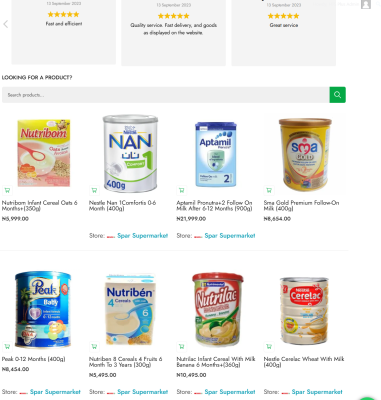
Baby cereal is a great way to introduce your little one to solid foods. Choosing the right type, ensuring proper preparation, and looking for quality ingredients will help your baby enjoy a healthy start. Whether you go for store-bought or homemade, the key is making sure it’s nutritious and safe. If you need more baby and kids product recommendations? click here. Happy feeding!